A garden for people who enjoy noticing unusual things
Tourism Pahang describes Cactus Valley as a hillside show garden near Brinchang, with cacti, flowers and ornamental plants. Its appeal need not depend on a sweeping vista or a perfectly staged portrait. Consider it when your favourite part of a garden is the moment you stop and think: how did a plant end up looking like that? This is a guide to choosing and enjoying that kind of visit, not a claim of a recent personal tour.
Read the silhouette before the label
First look at the outline. Does a specimen rise like a column, gather into rounded forms, or flatten into broad sections? Kew's botanical account describes a cactus family with rounded, cylindrical, flattened and fluted stems. These are useful visual starting points, not a promise that every form will be on display. Once something catches your eye, read its label instead of guessing a species from resemblance alone.
The tiny detail that changes how you look at a cactus
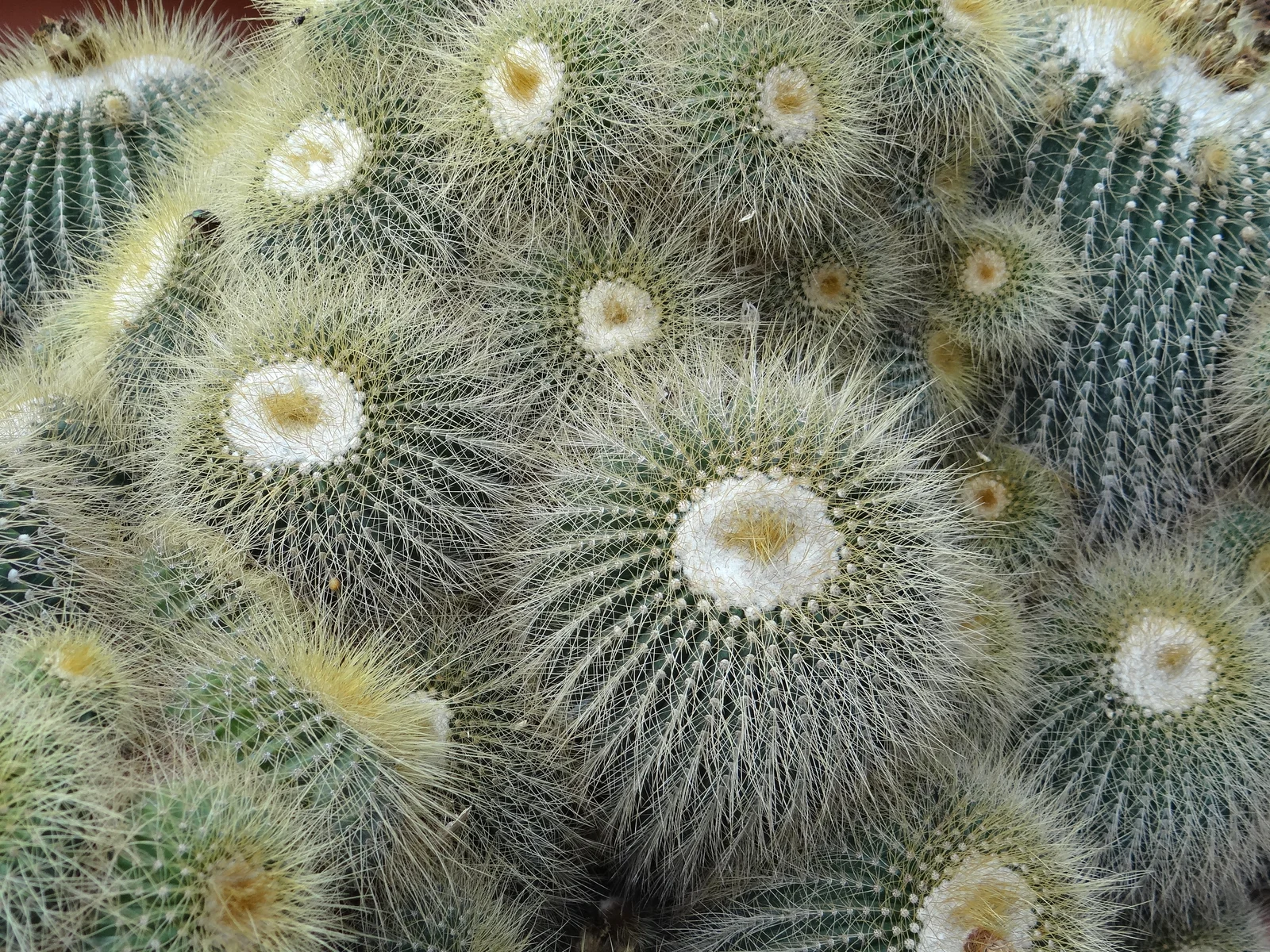
Look at where the spines emerge. Kew identifies areoles as the specialised structures from which cactus spines arise. That gives you a more interesting subject than simply counting how prickly a plant looks. From a safe distance, follow a repeated line of these points, or compare the pattern on two labelled specimens. A magnified phone photograph can reveal a rhythm you barely notice in the whole plant; never move a pot or touch a specimen to get the shot.
Make a three-picture story instead of fifty similar photos
Try one picture that establishes the plant's overall form, one that concentrates on a repeated pattern, and one that shows its relationship with a neighbouring shape. Your subject stays the same, but the story changes from sculpture to detail to contrast. Avoid pushing the phone through foliage or leaning over a display. If the light is flat, work with outlines; if shadows are strong, notice how they emphasise ribs and spines. This is an editorial photography exercise, not a park workshop.
A good stop even when your favourite flower is not out
The valley's attraction is broader than a bloom checklist. A shape, surface or unusual arrangement can hold your attention without a flower. Do not plan around a photograph posted years ago and assume the same plant will look identical today. Our licensed 2017 image is clearly dated for that reason. Ask the garden about a particular display if it is the main reason for your visit.
Cactus Valley, Flora Park or MARDI?
Let your interest separate them. This guide is about looking at cactus form and spine patterns. Our Flora Park article focuses on designed floral scenery and picture composition, while the MARDI guide explores cultivation and how crops grow. You may enjoy more than one, but they are not three compulsory copies of a “garden stop”. Choose the experience you want before arranging transport between places.
Before you add it to the day
A hillside description is not an accessibility assessment. Ask about the current visitor route, steps, surfaces and resting options if anyone needs them. Confirm opening and admission directly; the office hours in a tourism website footer are not automatically the garden's hours. With children, make it a looking visit: follow barriers and staff instructions, and avoid a game that encourages reaching between pots. For nearby meals or shopping, make a separate choice after checking what is open rather than relying on an old market-location reference.
From Singapore, keep the garden wish separate from the transfer
Send the exact Cameron accommodation, travel date, Singapore pickup, group and luggage details, child or mobility needs, desired stop and return plan. Ask whether the detour and waiting can be arranged and how they affect the quote. A private-car enquiry does not reserve garden admission. Border, traffic and hill-road conditions can change the timing, so avoid building the visit around a guaranteed arrival minute.